Tesla's AI Shock: Dojo Supercomputer Team Disbanded - What's Next for Autonomous Driving?
Tesla, the pioneer in electric vehicles and autonomous driving, has made a shocking move by disbanding its Dojo supercomputer team. This unexpected decision has sent ripples throughout the tech industry, leaving many wondering about the implications for AI innovation and autonomous driving.
The Dojo Supercomputer Team: A Critical Component of Tesla's AI Efforts
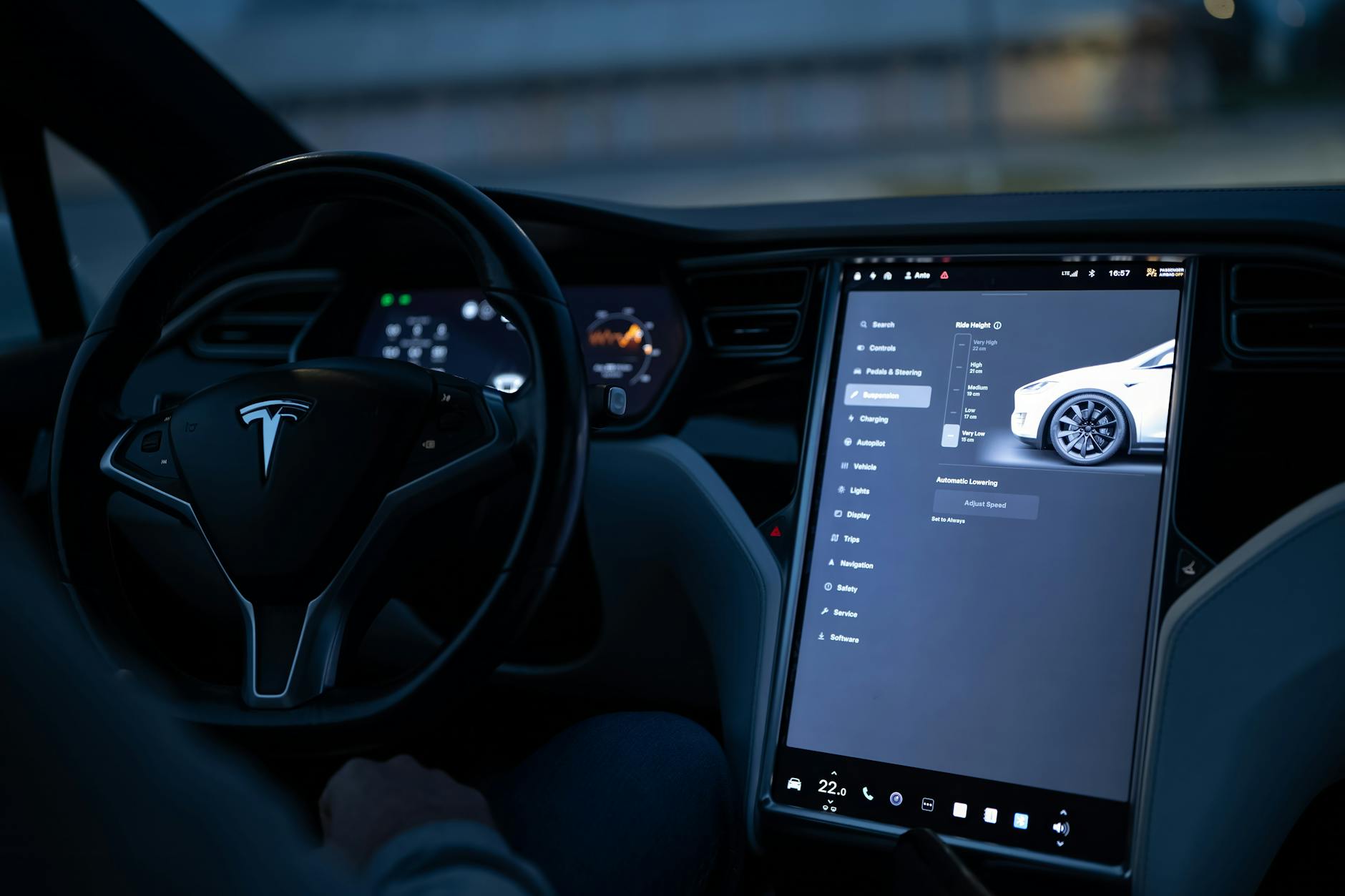
The Dojo supercomputer team was responsible for developing and fine-tuning Tesla's Full Self-Driving (FSD) technology. The team, comprising top talent from the AI and computer vision fields, was working on creating a custom-built AI chip designed to handle the massive computational requirements of autonomous driving.
Why Did Tesla Disband the Dojo Supercomputer Team?
While Tesla hasn't provided an official statement, industry insiders and experts speculate that the decision was driven by several factors:
- Cost-cutting measures: Tesla has been under pressure to reduce costs and improve profitability. Disbanding the Dojo team might be a strategic move to allocate resources more efficiently.
- Shift in AI strategy: Tesla might be re-evaluating its AI approach, potentially opting for more cloud-based solutions or partnerships with other companies, rather than investing in proprietary hardware.
- Talent acquisition and retention: The Dojo team's disbandment could be a result of Tesla's struggles to attract and retain top AI talent, leading to a reassessment of its AI research and development strategy.
Implications for Autonomous Driving and AI Innovation
The disbandment of the Dojo supercomputer team has significant implications for Tesla's autonomous driving ambitions and the broader AI industry:
- Delayed FSD rollout: The setback might delay the widespread adoption of Tesla's FSD technology, giving competitors an opportunity to catch up or surpass Tesla's capabilities.
- AI innovation slowdown: The disbandment of the Dojo team could slow down AI innovation in the autonomous driving space, as top talent may seek opportunities elsewhere, and the industry may lose momentum.
- New opportunities for competitors: The shift in Tesla's AI strategy creates opportunities for other companies, such as NVIDIA, Google, or startups, to fill the gap and advance their own AI research and development.
"This move by Tesla is a significant setback for autonomous driving, but it's also an opportunity for other companies to step up and fill the gap," says Dr. Rachel Kim, AI expert and professor at Stanford University. "The future of autonomous driving relies on innovation and collaboration, and I'm excited to see how other players in the industry will respond to this shift."
Actionable Advice for Businesses and Individuals
While the news may seem disheartening, it's essential to recognize the opportunities that arise from this shift:
- Diversify AI investments: Businesses should consider diversifying their AI investments, exploring cloud-based solutions, and partnering with other companies to mitigate risks and stay competitive.
- Talent acquisition and retention: Companies should prioritize talent acquisition and retention strategies to attract and keep top AI talent, ensuring they remain at the forefront of AI innovation.
- Stay agile and adapt: The AI landscape is constantly evolving. Businesses and individuals must stay agile, adapt to changes, and be prepared to pivot their strategies to remain competitive.

As the AI industry continues to evolve, it's essential to stay informed about the latest developments. (Read more: Our Guide to AI in Autonomous Driving)
Key Takeaways
- Tesla's disbandment of the Dojo supercomputer team marks a significant shift in the AI landscape.
- The move may delay the rollout of Tesla's FSD technology and slow down AI innovation in autonomous driving.
- Companies should diversify AI investments, prioritize talent acquisition and retention, and stay agile to remain competitive.
Conclusion
Tesla's decision to disband its Dojo supercomputer team marks a significant shift in the AI landscape. While the implications may seem daunting, it's essential to recognize the opportunities that arise from this change. By diversifying AI investments, prioritizing talent acquisition and retention, and staying agile, businesses and individuals can thrive in this new environment.
As the AI industry continues to evolve, one thing is certain – innovation will persist. The question is, who will lead the charge?
Learn more about the future of autonomous driving and AI innovation from leading experts in the field. (Read more: Our Expert Interview Series)
Tesla's Autonomous Driving | NVIDIA's Autonomous Driving | Stanford AI Lab
Comments
Post a Comment